Sales Momentum Starts Before the Event
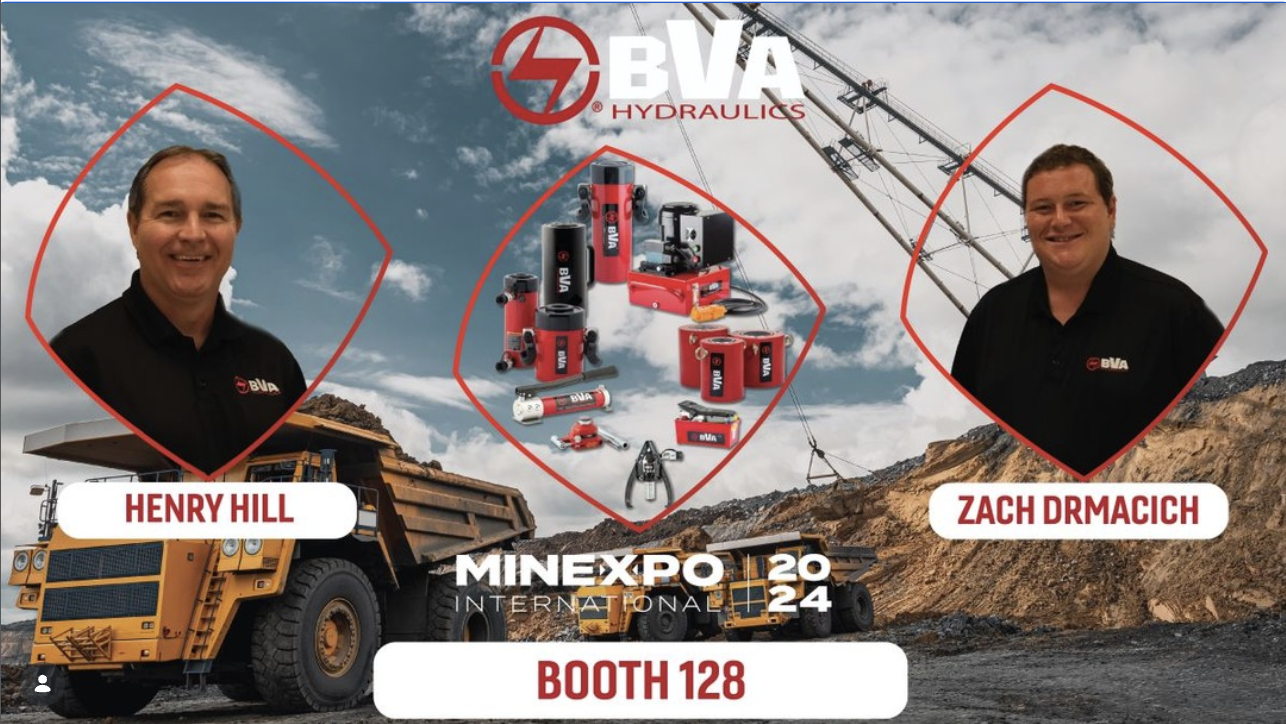
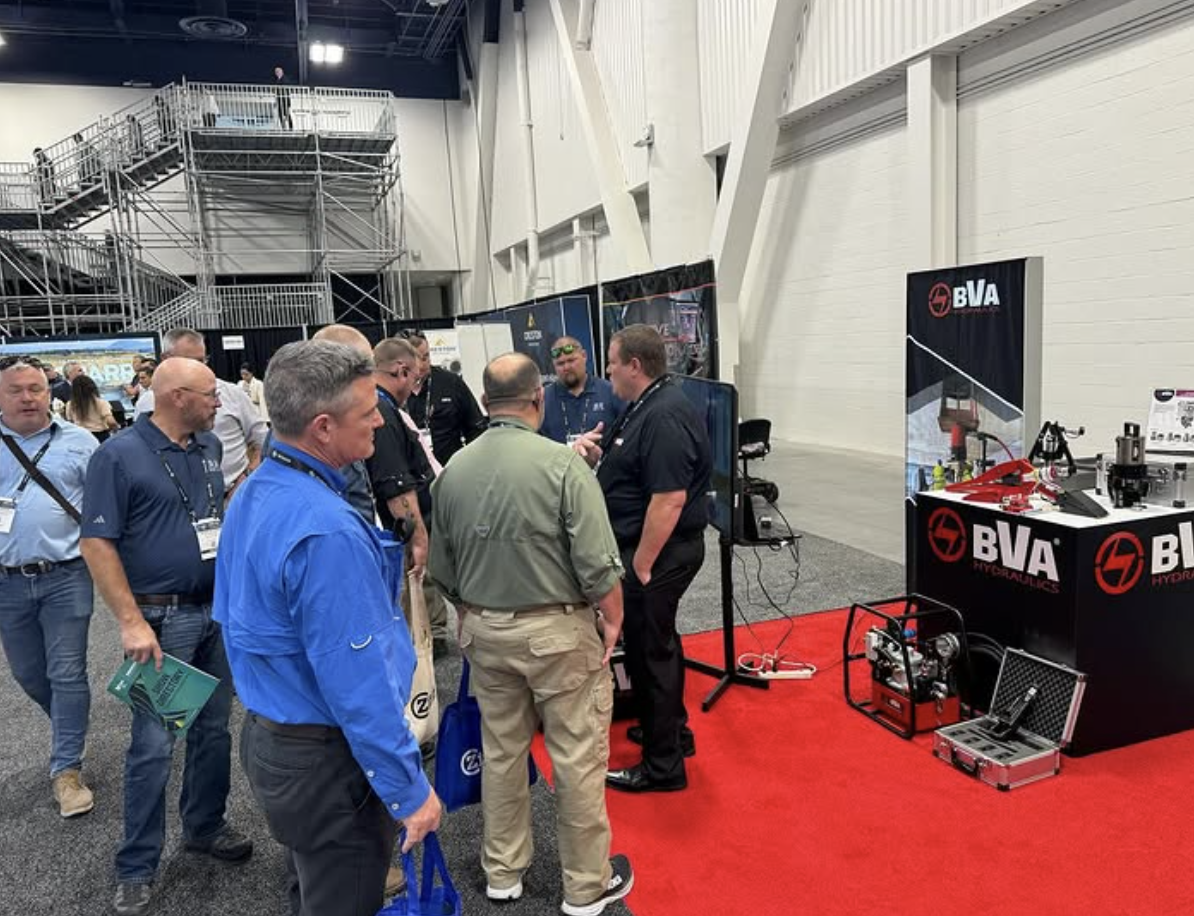
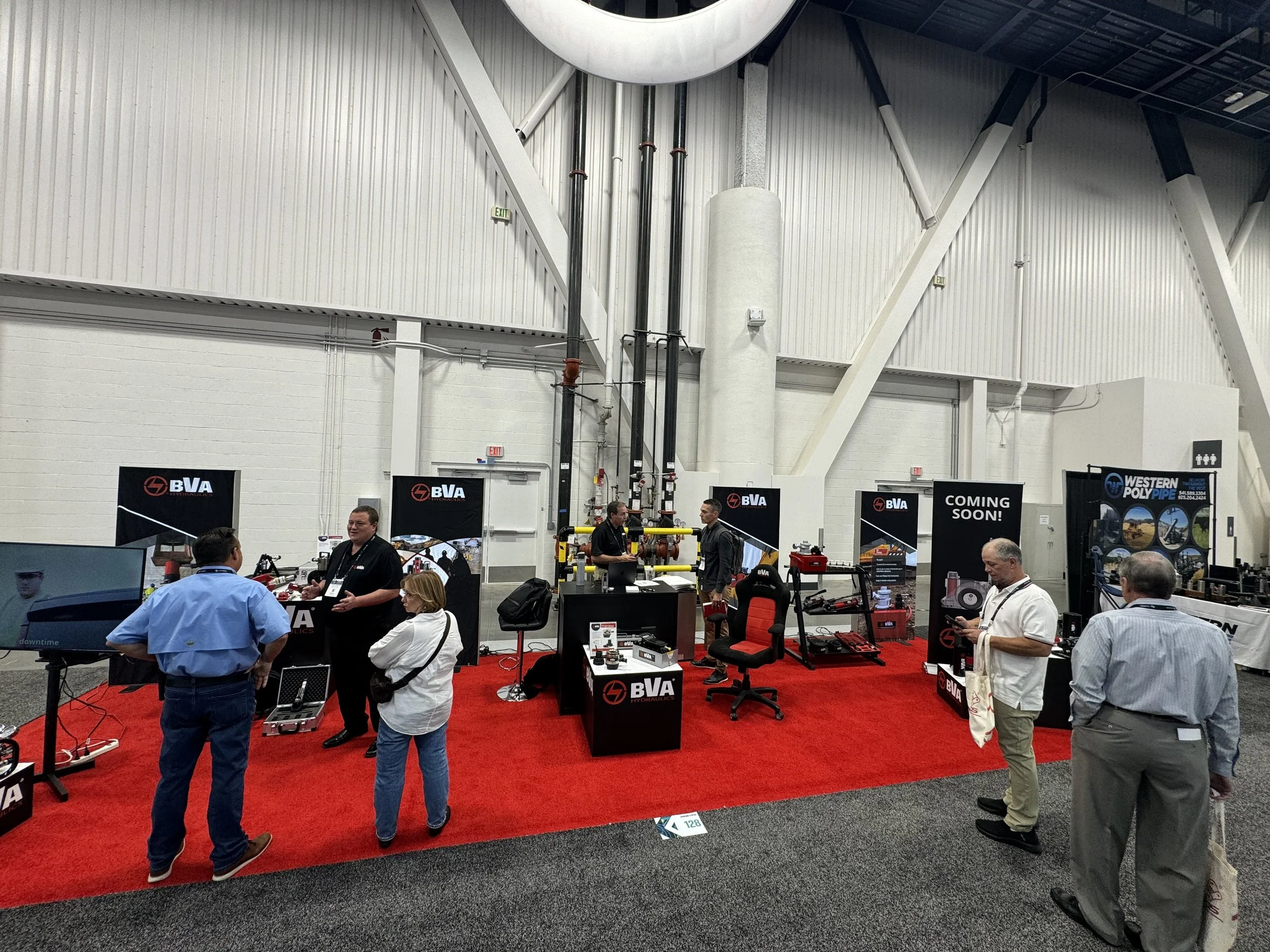
More than a few sales reps I’ve worked with have told me they were recognized at trade shows before they even introduced themselves.
That recognition was not accidental.
It came from a micro-targeted digital strategy built around the event's geographic footprint and the demographic profile of likely attendees. Messaging was application-focused. Spending was controlled. Targeting was precise.
Low budget. High intent. High ROI.
By the time prospects stepped onto the trade show floor, many were already familiar with the brand.
That is not awareness. That is sales leverage.
Trade Shows Expose Preparation
Research from Forrester’s State of Business Buying 2026 reinforces that B2B buying groups are larger and more risk-sensitive than ever:
Confidence must exist before the first conversation.
In that targeted campaign, preparation translated into:
10% year over year growth
809% ROI on a focused initiative
The event amplified momentum. It did not create it.
Targeted Content Builds Recognition Early
The digital strategy that drove that familiarity relied on industry-specific content designed to help buyers evaluate solutions before sales engagement.
One of the strongest examples was an industry-focused video created to target mining and other industries:
Instead of presenting general product messaging, the video addressed mining-specific challenges, including operating conditions, application demands, and performance expectations. It was intentionally structured so segments could be repurposed for different industries and product lines, allowing targeted distribution to distinct audiences without recreating content from scratch.
That approach accomplished two things at once:
Buyers saw relevant information tied to their environment
Sales teams gained reusable assets tailored to different conversations
Recognition increased because relevance increased.
The Showroom Was Part of the Strategy
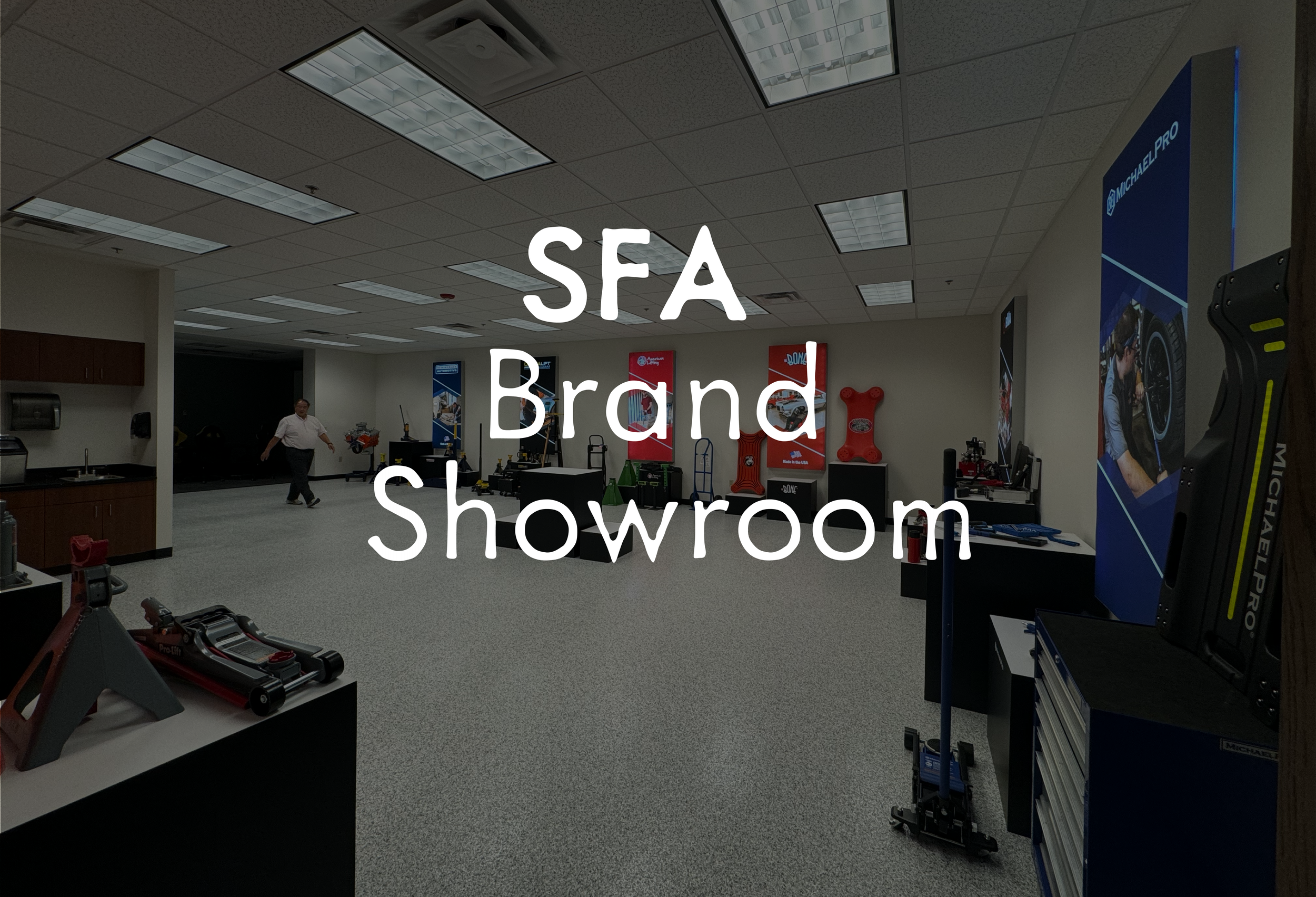
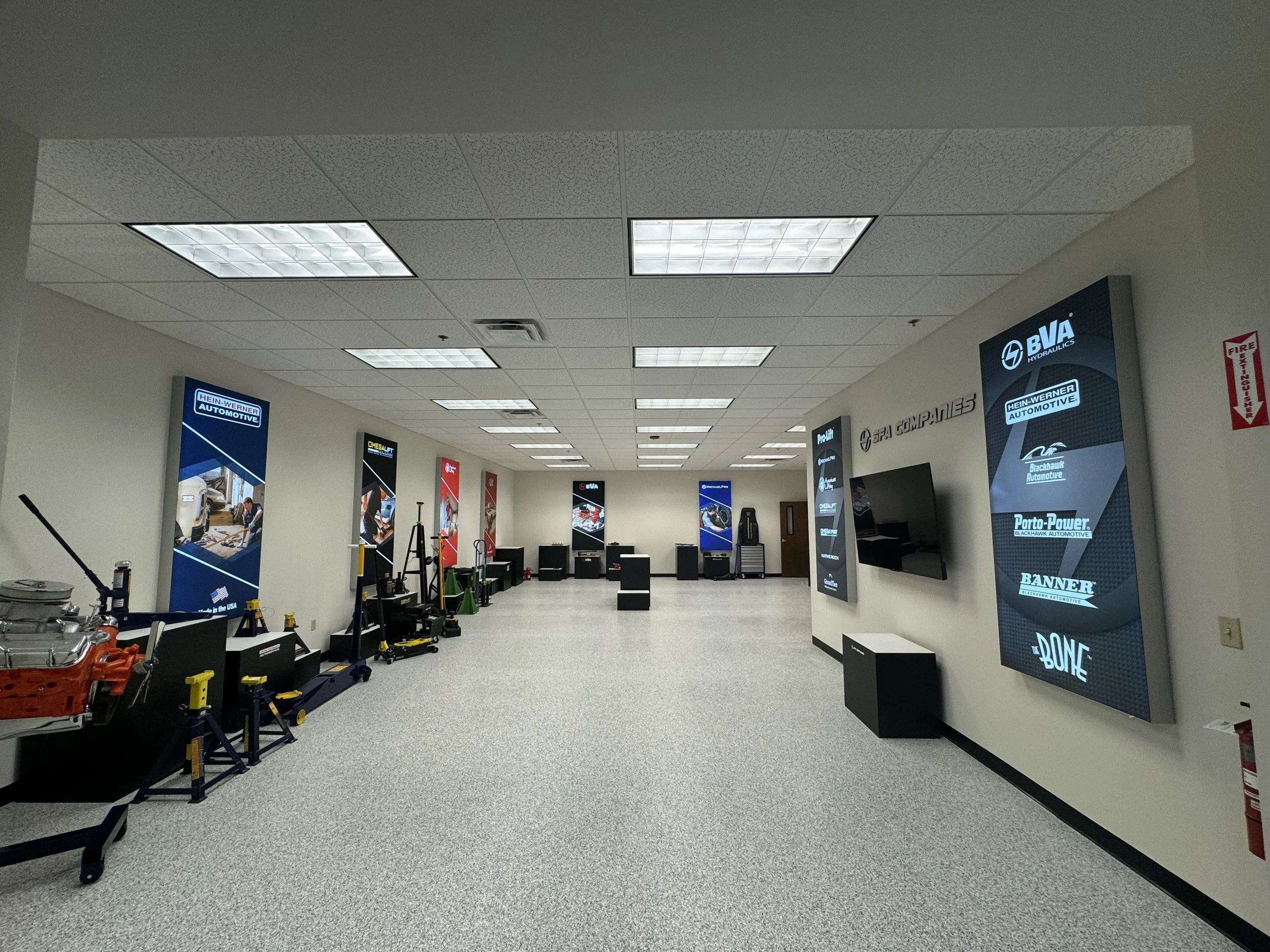
The same thinking shaped the showroom initiative I led ahead of a high-priority customer visit.
At first glance, it looked like a one-off space build. In reality, it was designed as trade show infrastructure.
We transformed a mixed-use space into a modular, nine-brand environment engineered for portability and reuse. Lightbox systems were built with interchangeable panels so they could be deployed at future trade shows and events without rebuilding the structure.
The immediate benefit was a high-impact client environment.
The strategic benefit was long-term trade show efficiency and consistency.
Digital familiarity prepared prospects before the event.
The modular showroom system reinforced authority during the event.
Together, they created continuity across touchpoints.
What This Means for Sales Strategy
When digital targeting builds recognition in advance, and physical environments reinforce credibility on site:
Conversations start warmer
Trust forms faster
Price pressure decreases
Sales walk-in expected, not unknown.
The Principle
If marketing does not strengthen sales before and during the event, the booth is just square footage.
When digital precision and physical execution align, trade shows become revenue multipliers.
That is the standard I now apply to every initiative tied to live selling environments.